Archive for the ‘Samples’ Category


Page 1 of 1212345»10...Last »

Reverse-chronological versus functional or combination resumes

Tuesday, November 17th, 2009

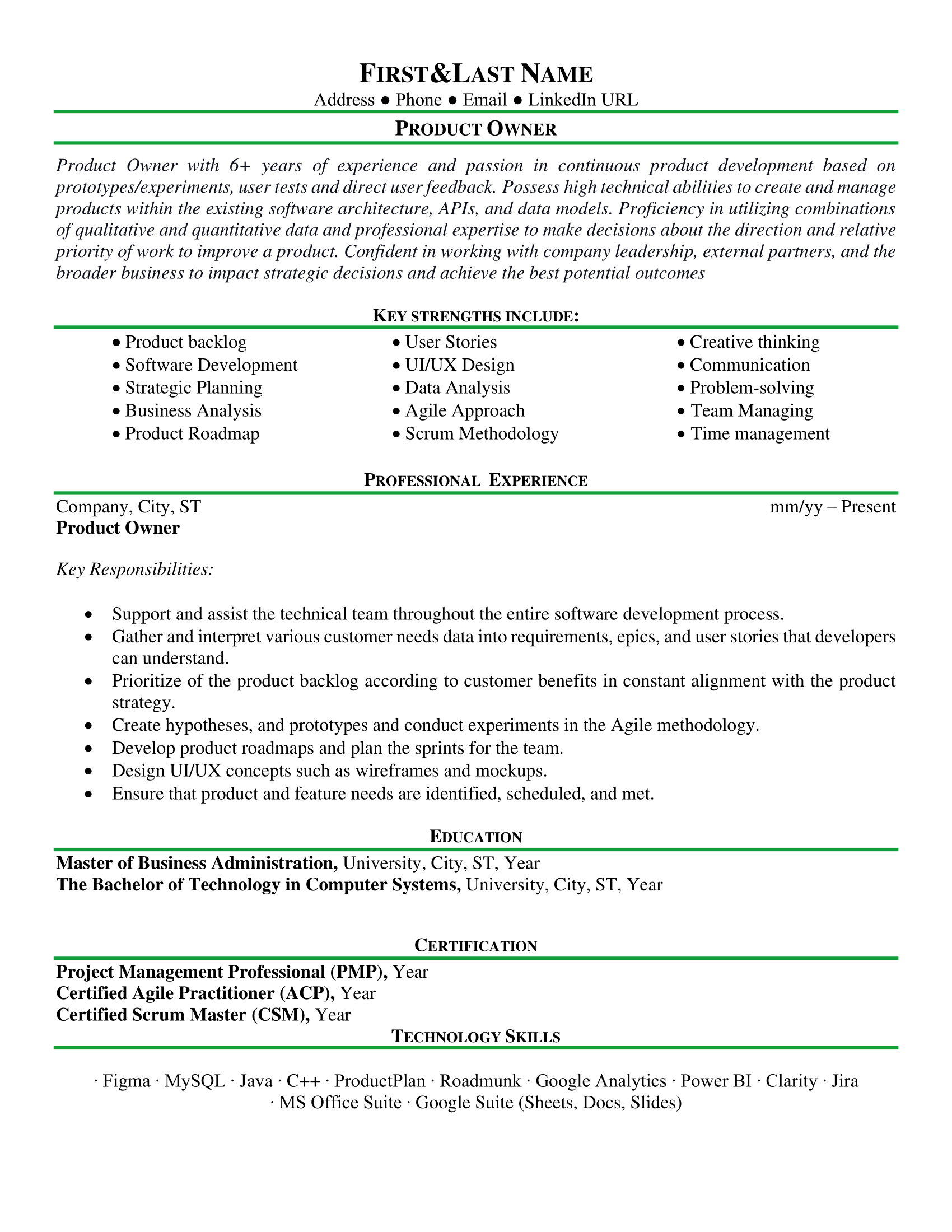
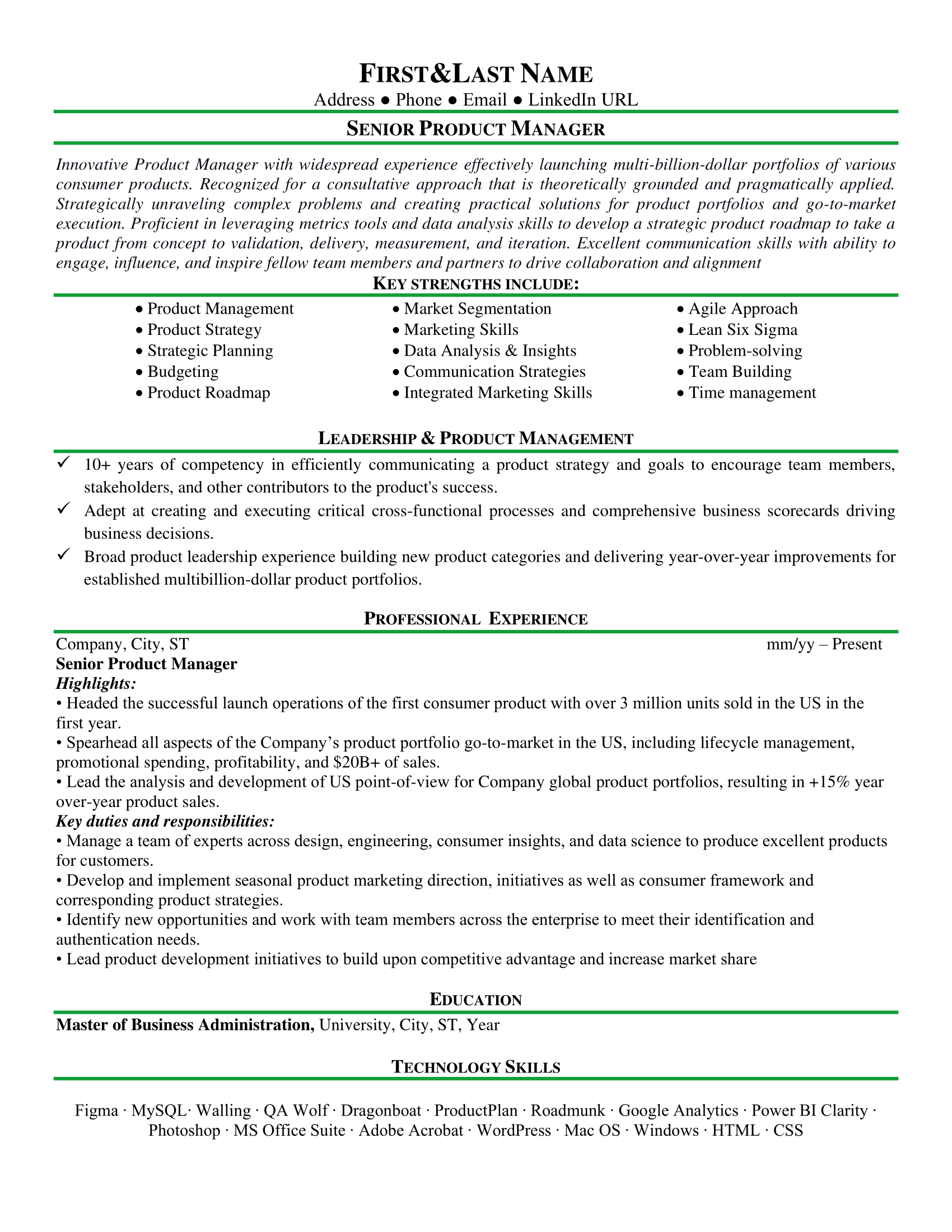
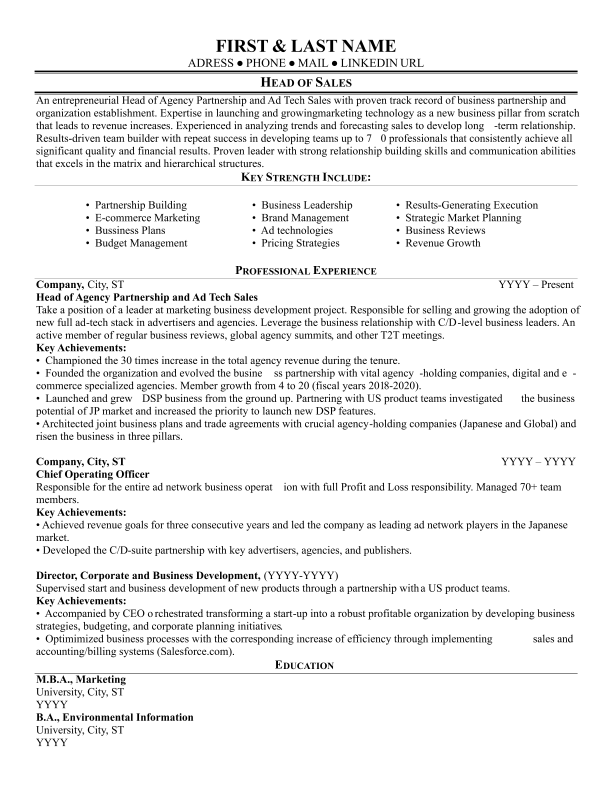
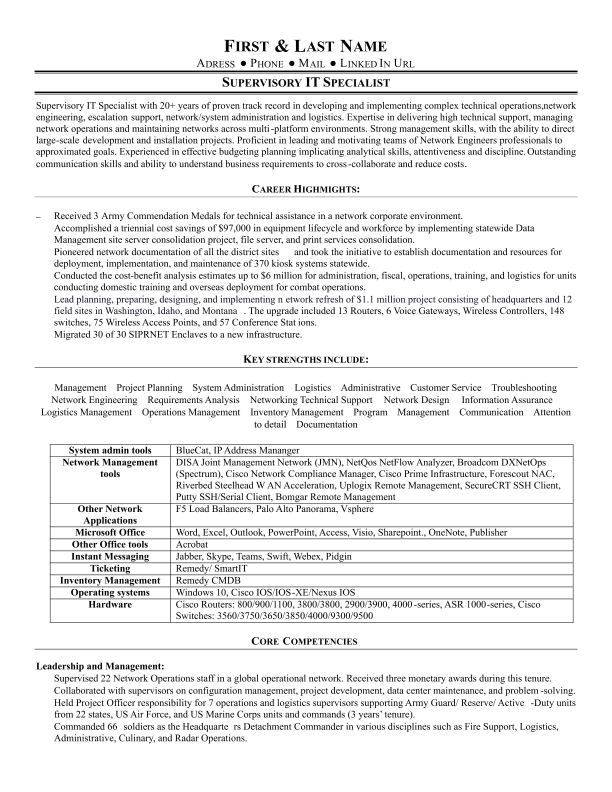
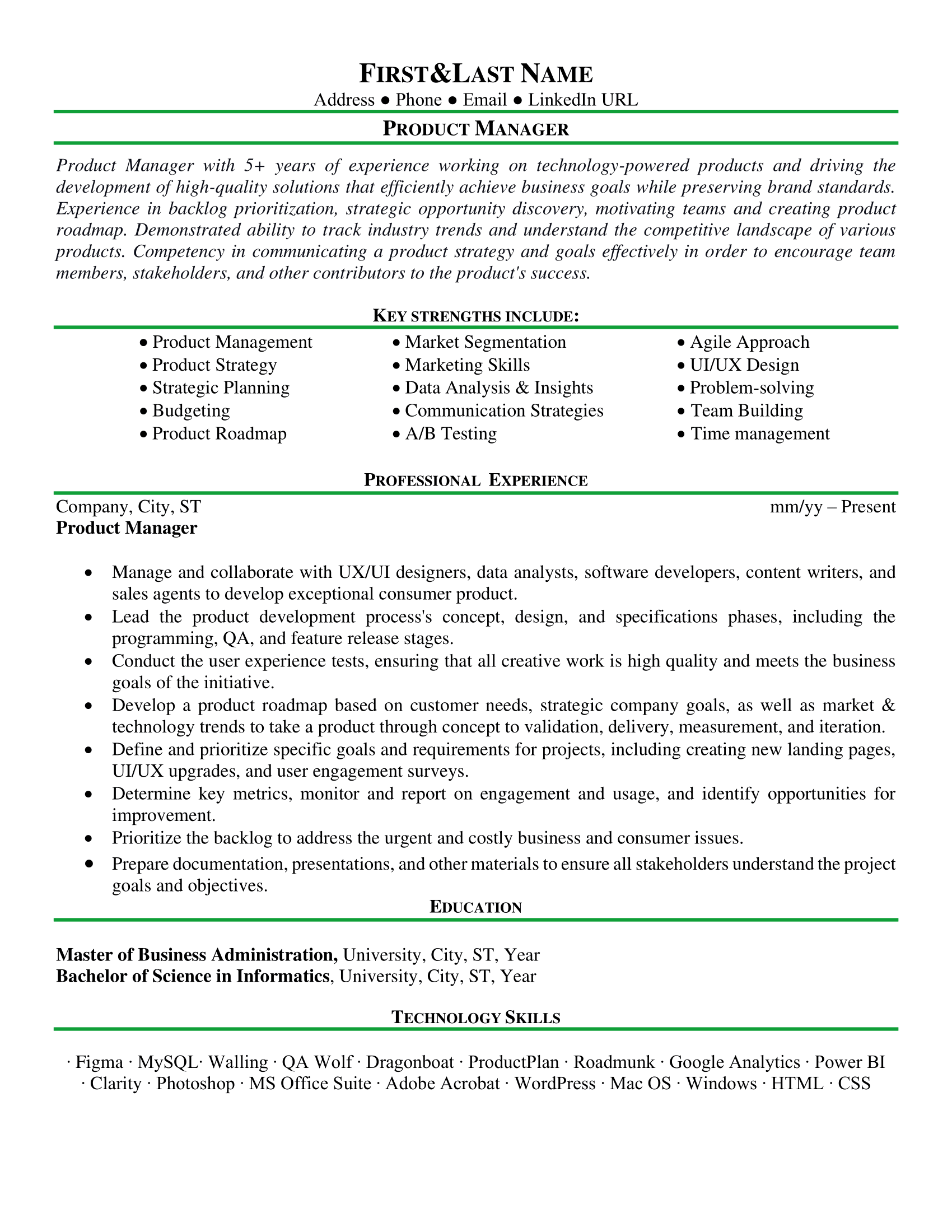
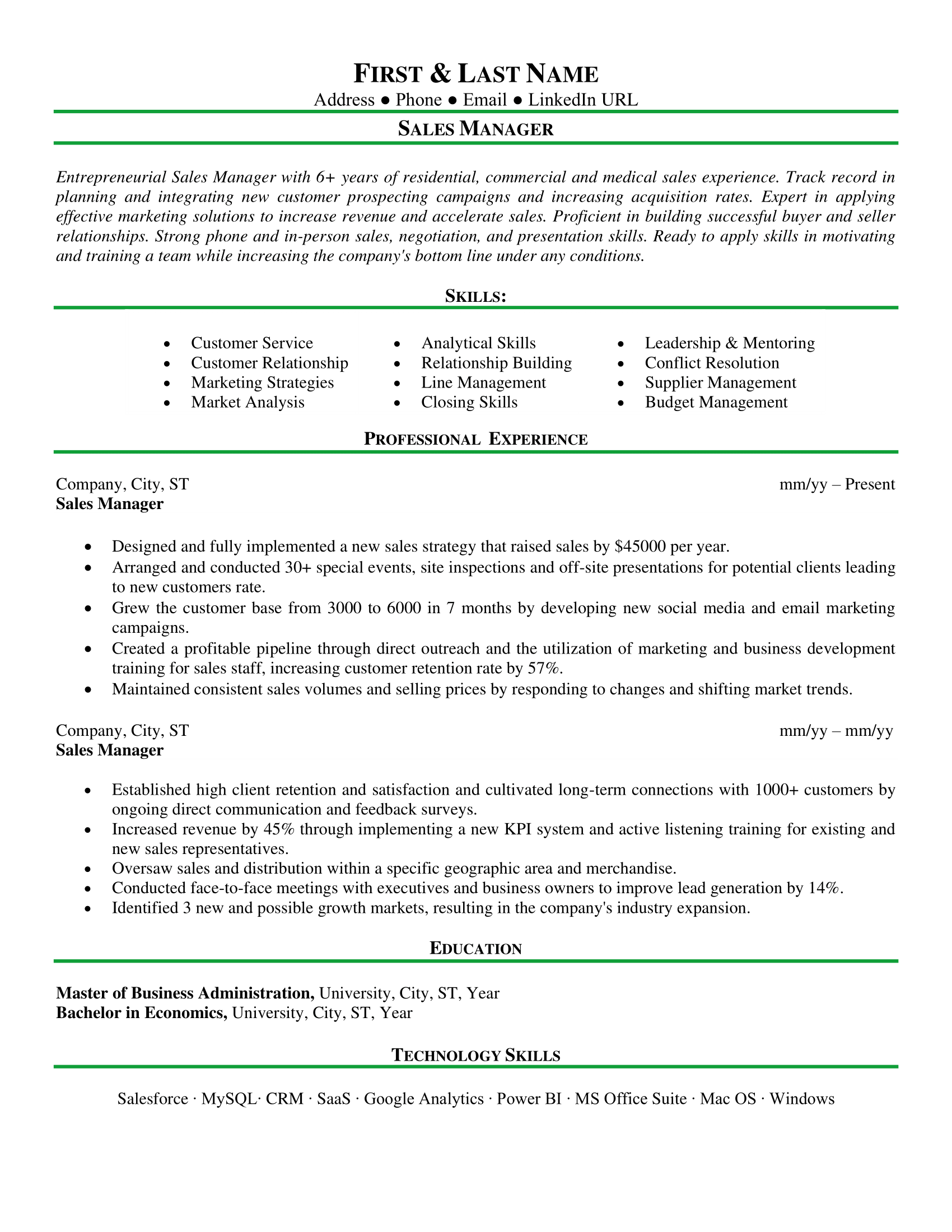
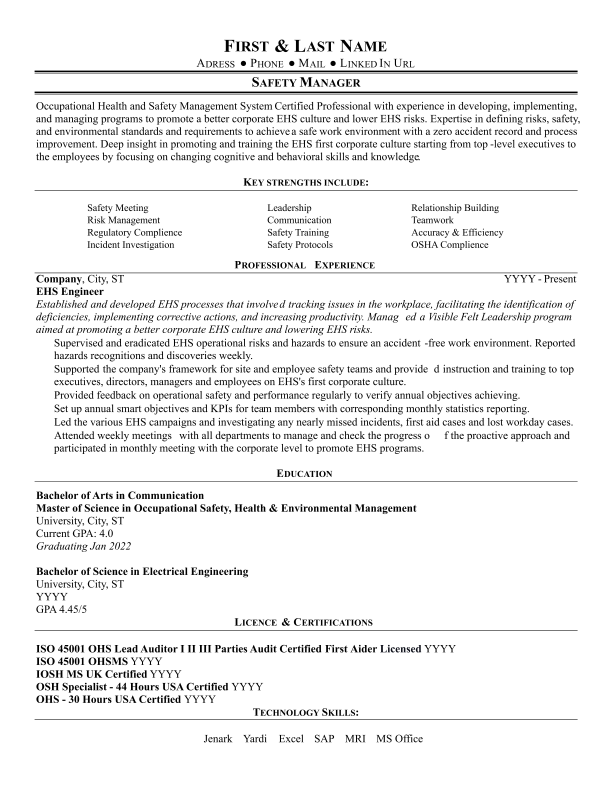
The skills and experience information in modern resumes can be listed using three separate formats:

1. Reverse chronological

2. Functional

3. A combination of the two

Reverse chronological

Generally speaking, hiring managers prefer that employment data is provided with the most recent job listed first, followed by the next most recent, and so on.  In that way, it’s easy to see career progression from an entry-level position to a more senior status. It’s also easy to detect gaps in dates of employment.  It’s these gaps that cause candidates to select functional formats.

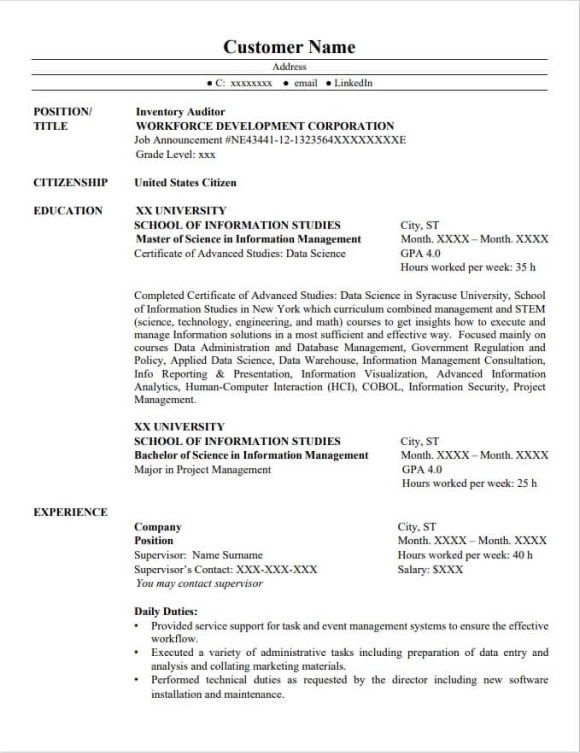
Functional

Functional formats stress what skills you have, rather than where and when you used them.  These formats are best for students who have just graduated from college and have little “real-world” experience; those who have been out of the workforce for long periods because they were raising children; or job seekers who are transitioning from one career or industry to another.  However, sometimes joining a functional with a reverse chronological format makes the most sense – these are called combination resumes.

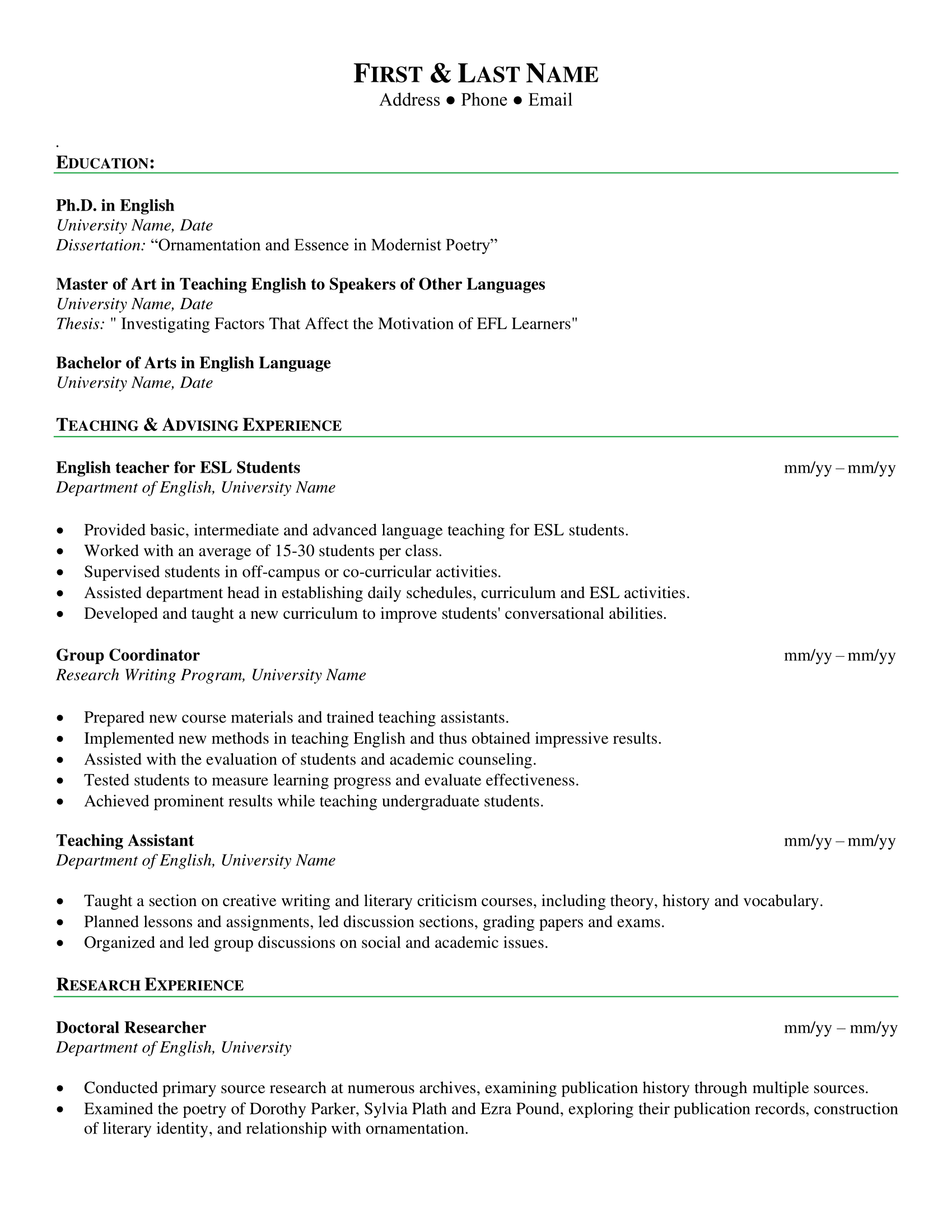
Combination

With this format, skills that are relevant to the current job search are placed in a special section by function, while the Professional History or Work Experience is presented in a standard, reverse-chronological format. This format offers the best of both worlds, and is highly popular with job seekers and hiring managers.

For more information and to see our samples: http://www.resumeedge.com/resume-writing/resumes/resume-types/index.php?nav=rc.rc

Resume Best Practices

Tuesday, June 2nd, 2009

Resume Best Practices & Standards

1. Resume Design: Selecting the right design template to showcase your accomplishments based on your industry is important. If you’re in a conservative industry (banking, accounting), your template should reflect that and not lean heavily on designer fonts or frivolous designs.

2. Page Length: Recruiters and Hiring Managers prefer resumes to be two pages or less. However, the rule of thumb is: a modern resume is as long – or as short – as it needs to be, provided only relevant information for the new job search is included. Nothing extraneous.

3. Qualification (Opening) Summary versus Objective Statement: Recruiters and Hiring Managers prefer a qualifications summary over an objective statement every time. They want to see what candidates can bring to their organization in terms of performance rather than the candidate stating a position they want.

4. Quantify Accomplishments: A resume must have quantified accomplishments not a reiteration of a job description. Example: Increased productivity 58% within three months of hire by retraining staff on latest accounting software. Providing percentages, dollar figures, and timeframes strengthens achievements.

5. Strong Data Prioritization & Organization: The resume needs to be organized in standard sections. Within each section, the data is presented in reverse-chronological order (the last job or school listed first). The information is prioritized based on value to the Recruiter and Hiring Manager. Information pertinent to the targeted position should be showcased first. For example, if Education is the most important qualification; it’s presented before Work History, rather than last on the document.

6. Non-relevant & Repetitive Data: An effective resume focuses on enhancing your candidacy and avoids repetition and inclusion of non-relevant information. For example, hobbies & interests should only be included if relevant to the job. Personal information (birth dates, marital status etc.) is included in some oversea resumes.

7. Language: Use of business language is critical to the professionalism of a resume. Resumes should avoid the use of personal pronouns (“I’ “my” “we”) and slang at all times.

Global Resumes & Cover Letters: UK

Tuesday, May 19th, 2009

UNITED KINGDOM

Resume Guidelines

Education:

1. Secondary education, include dates/names/locations of schools, plus qualifications received

Special Skills (include):

1. Language Skills
2. Computer Skills

Professional Experience:

1. Include reasons for leaving

Interests/Hobbies: Describe how time outside of work is spent

Format: Education followed by professional experience

Length: No longer than two pages

Cover Letter Guidelines

1. Position you’re applying for and why
2. Skills, experience, abilities that will be valuable to targeted company

Length: One page

Global Resumes & Cover Letters: Thailand

Tuesday, May 12th, 2009

THAILAND

Resume Guidelines

Education:

1. University: include data about student training work/thesis projects stating length of time and references.
2. Secondary school/high school – state major subjects studied; provide details on specific courses and programs. Indicate if you’ve studied abroad.
3. Include extracurricular activities

Special Skills (include):

1. Language Skills
2. Computer Skills

Professional Experience:

1. Explain all gaps in employment
2. If employed part time, indicate why you did not choose full time work

Military Experience: Include details, including military service status

Interests/Hobbies: Briefly mention

Format: Begin with personal information, then academic achievements, additional information (training, professional associations, hobbies), employment record (reverse chronological order), and references.

Length and Format:

No more than two pages, three is the max; A4 page setup rather than 8 ½” x 11”

Cover Letter Guidelines

1. What job is being applied for, why, and how you found out about it (newspaper ad, etc.)
2. Skills, experience, abilities that will be valuable to targeted company
3. Address to person in charge of recruitment

Length and Format: No more than one page; A4 page setup rather than 8 ½” x 11”


Page 1 of 1212345»10...Last »